The PST and RST are Aperion's two most popular super tweeters, and on paper they look almost identical: both reach 40 kHz, both offer five crossover points and a −5 dB treble trim, and both connect straight to your existing speakers. So is the RST worth $250 more? The answer depends on two things: the type of ribbon driver you want and the sensitivity of your speakers. Here is a side-by-side breakdown using Aperion's official specifications.
Comparison table
| Product | Best for | Score | Buy |
|---|---|---|---|
1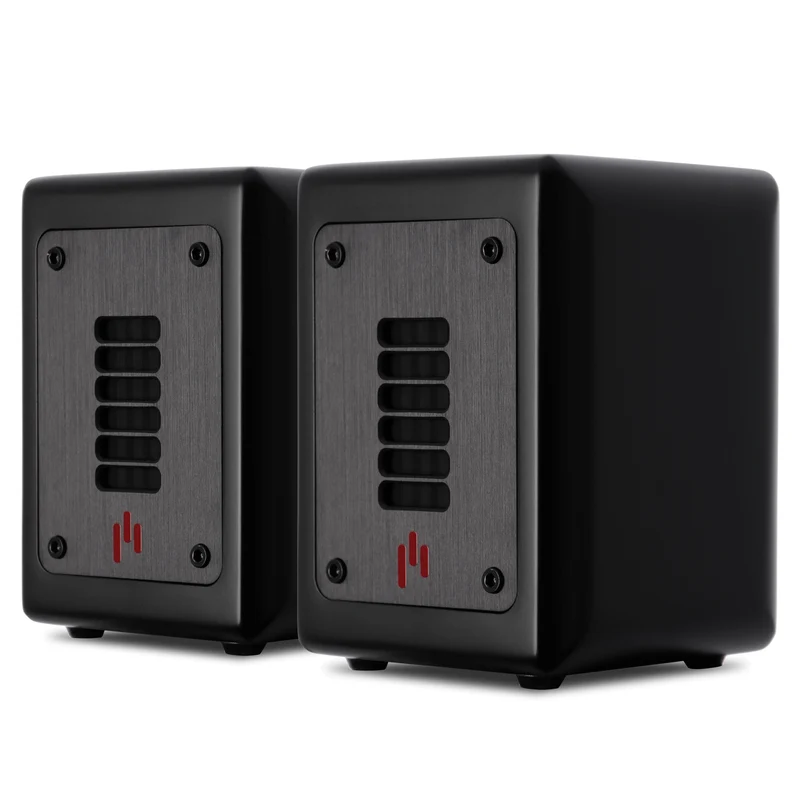 Aperion PST Super TweeterBest Value 5% off: TT05 Aperion PST Super TweeterBest Value 5% off: TT05 |
Speakers rated 85–94 dB and buyers on a budget | 8.8 | $399/pair |
2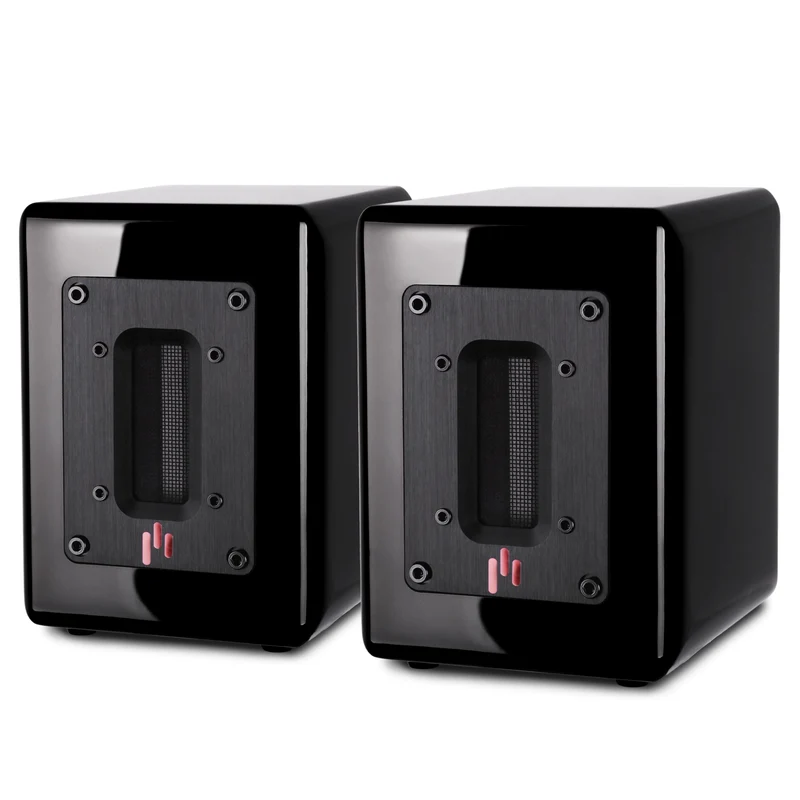 Aperion RST Super TweeterBest Upgrade 5% off: TT05 Aperion RST Super TweeterBest Upgrade 5% off: TT05 |
Slightly more efficient speakers and true-ribbon fans | 8.7 | $649/pair |
Best Value
#1 · Best Value
Aperion PST Super Tweeter
A planar-magnetic ribbon super tweeter that delivers the core benefit, more air and detail, for the lowest price. Smaller and lighter, it suits bookshelf speakers well.
Best for: Speakers rated 85–94 dB and buyers on a budget
Pros
- $250 cheaper than the RST
- Compact and light (1.7 lb each)
- Same crossover and treble controls
Cons
- Narrower speaker match (85–94 dB)
- Planar driver rather than a true ribbon
- Driver
- Planar-magnetic flat ribbon
- Speaker match
- 85–94 dB
- Sensitivity
- 94 dB
- Weight
- 1.7 lb each
Best Upgrade
#2 · Best Upgrade
Aperion RST Super Tweeter
A true 3-inch aluminum ribbon only 20 μm thick, with higher sensitivity (96 dB) that matches speakers up to 96 dB. A larger, heavier unit that suits towers and bigger speakers.
Best for: Slightly more efficient speakers and true-ribbon fans
Pros
- True aluminum ribbon driver
- Wider speaker match (85–96 dB)
- Higher 96 dB sensitivity
Cons
- $250 more expensive
- Larger and over twice as heavy (3.9 lb each)
- Driver
- 3-inch aluminum ribbon (20 μm)
- Speaker match
- 85–96 dB
- Sensitivity
- 96 dB
- Weight
- 3.9 lb each
From$649/pair
Check Price on Aperion AudioQuick verdict
- Choose the PST if your speakers are rated 85–94 dB (most bookshelf and tower speakers), you want the best value, or your speakers are compact.
- Choose the RST if your speakers are 94–96 dB, you specifically want a true aluminum ribbon, or you have larger towers that suit a bigger unit.
For most home systems, the PST is the smarter buy. Read our full PST review for setup tips.
Side-by-side specifications
| PST | RST | |
|---|---|---|
| Price (pair) | $399 ($419 Gloss Cherry) | $649 ($679 Gloss Cherry) |
| Driver | Planar-magnetic flat ribbon | 3-inch true aluminum ribbon (20 μm) |
| Frequency response | 8 – 40 kHz | 8 – 40 kHz |
| Sensitivity | 94 dB | 96 dB |
| Matching speaker sensitivity | 85 – 94 dB | 85 – 96 dB |
| Impedance | 6 Ω | 6 Ω |
| Recommended power | 10 – 100 W | 10 – 100 W |
| Crossover points | 8/10/12/14/16 kHz + OFF | 8/10/12/14/16 kHz + OFF |
| Treble adjust | 0 to −5 dB | 0 to −5 dB |
| Size (W × H × D, each) | 4 × 5.3 × 5 in | 4.4 × 5.9 × 6.5 in |
| Weight (each) | 1.7 lb | 3.9 lb |
| Warranty | 3 years | 3 years |
The key differences
1. Driver type
The PST uses a planar-magnetic driver: a thin Kapton film with a printed aluminum conductor pattern. The RST uses a true ribbon, a single strip of aluminum only 20 μm thick suspended in a magnetic field. Both are low-mass designs intended for fast, detailed treble.
2. Speaker matching
This is the most practical difference. A super tweeter must play at roughly the same level as your speakers. The PST is designed for speakers up to 94 dB, while the RST's higher 96 dB sensitivity stretches its match to speakers up to 96 dB. Check your speaker's spec sheet before you choose.
3. Size and weight
The RST is noticeably bigger and more than twice as heavy (3.9 lb vs 1.7 lb per unit). That makes the PST easier to place on small bookshelf speakers, while the RST suits larger towers.
4. Price
At $399 vs $649 a pair, the PST saves you $250, enough to put toward speaker stands or cables.
What they have in common
Both models share Aperion's super tweeter feature set: the same 8–40 kHz range, five crossover points plus OFF, a 0 to −5 dB treble trim, connection through your speakers' existing binding posts with no extra amplifier, a 3-year warranty with lifetime support, and Aperion's 30-day in-home audition.
Not sure either is right?
If your speakers are very efficient (98–103 dB, such as horn speakers), neither model will match well; Aperion's HST is designed for those. See all four models compared in our best Aperion super tweeters guide.