The ENGWE Engine Pro 3.0 Boost (€1,699) and Engine Pro 2.0 (€1,399) are both folding, full-suspension fat-tire e-bikes with 20 × 4.0-inch tires, torque sensors, hydraulic disc brakes and a 150 kg payload. The 3.0 Boost adds more torque (90 vs 75 Nm), 2-hour fast charging and bigger 180 mm dual-piston brakes; the 2.0 has a bigger 768 Wh battery, weighs less and costs €300 less. Details are from ENGWE's EU product pages as of October 2026.
Comparison table
| Product | Best for | Buy |
|---|---|---|
1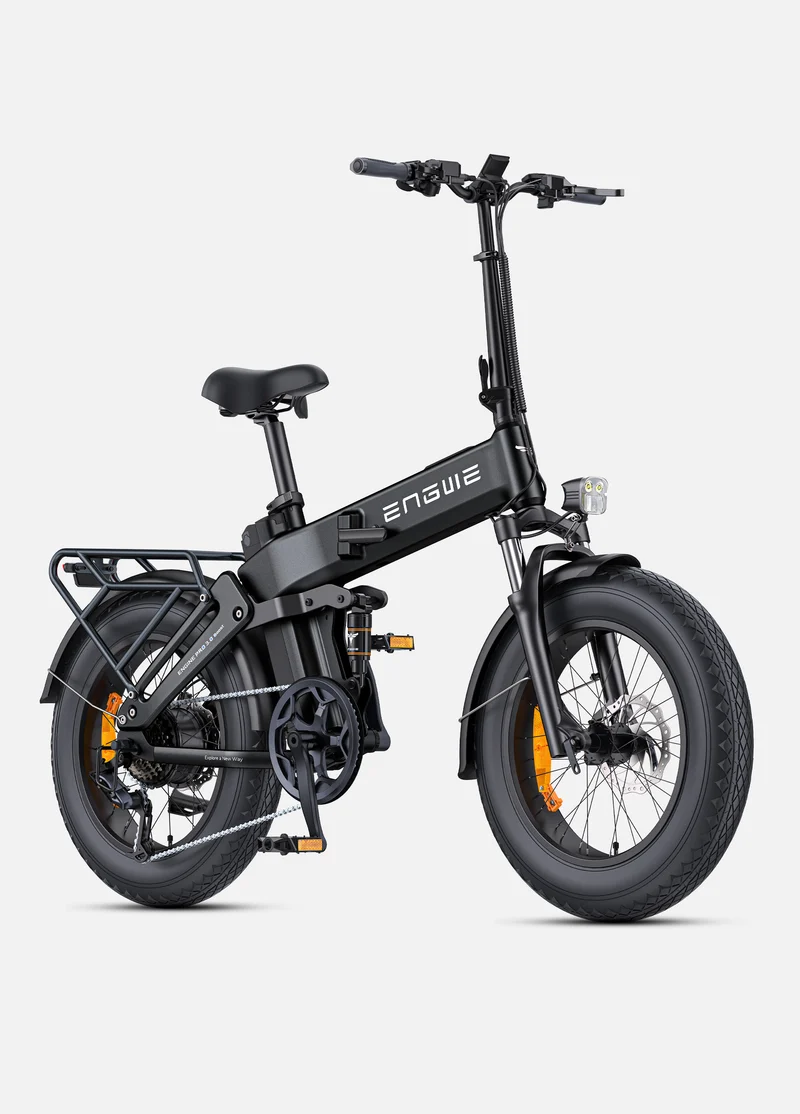 ENGWE Engine Pro 3.0 BoostBest for Power 10% off: TRANTRUNG |
Hills, heavier riders and quick top-ups | €1,699 |
2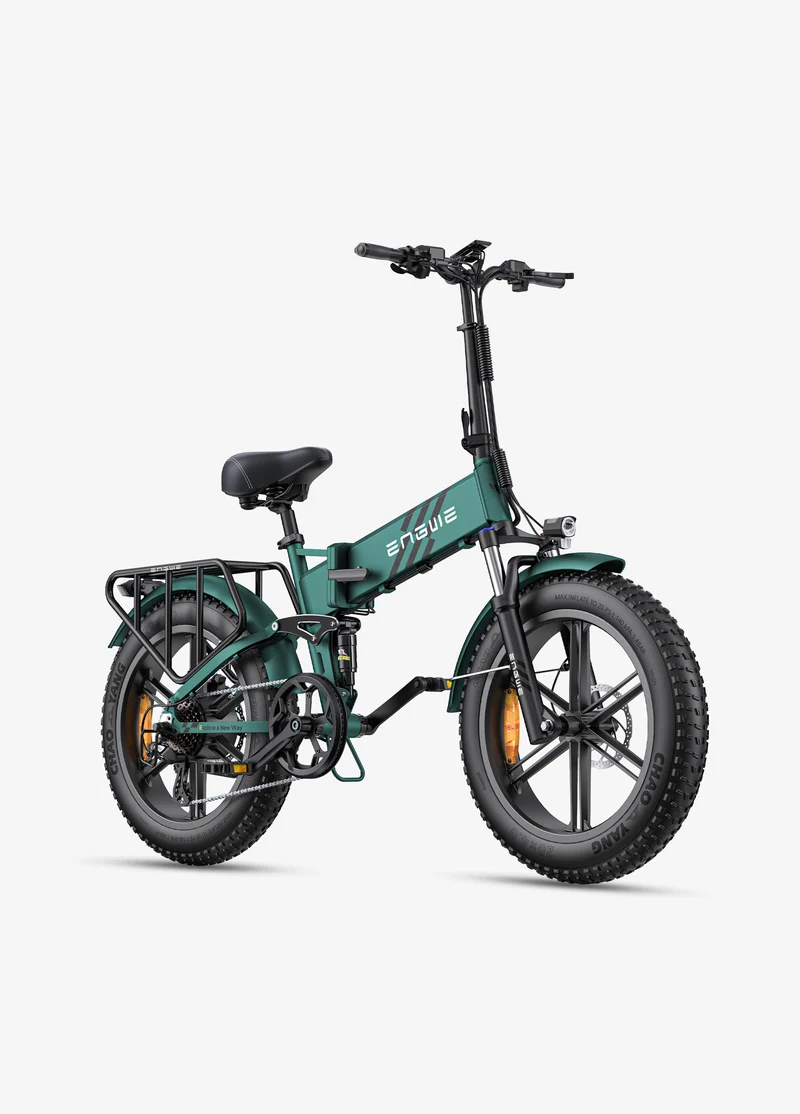 ENGWE Engine Pro 2.0Best Value 10% off: TRANTRUNG |
Most battery for the money | €1,399 |
Best for Power
#1 · Best for Power
ENGWE Engine Pro 3.0 Boost
48 V hub motor with 90 Nm, 48 V 15 Ah battery for 80–130 km, 2-hour fast charging (8 A charger), 50 mm front / 62 mm rear suspension, 180 mm dual-piston hydraulic brakes, magnesium step-through frame, IPX5–IPX7 component ratings, 34.7 kg. Rated 4.99/5 from 233 store reviews.
Best for: Hills, heavier riders and quick top-ups
Pros
- 90 Nm torque
- 2-hour fast charge
- Bigger dual-piston brakes
Cons
- €300 more
- 3.1 kg heavier
- Torque
- 90 Nm
- Battery
- 48 V 15 Ah
- Weight
- 34.7 kg
From€1,699
Check Price on ENGWE
Best Value
#2 · Best Value
ENGWE Engine Pro 2.0
Integrated hub motor with 75 Nm, 768 Wh (16 Ah) battery for about 110 km, about 5.5 h charge, full suspension, Shimano 8-speed, 160 mm hydraulic brakes, folds in three steps, 31.6 kg. Rated 4.97/5 from 289 store reviews.
Best for: Most battery for the money
Pros
- €300 cheaper
- Bigger 768 Wh battery
- Lighter (31.6 kg)
Cons
- Less torque
- Slower charging
- Torque
- 75 Nm
- Battery
- 768 Wh (16 Ah)
- Weight
- 31.6 kg
From€1,399
Check Price on ENGWEQuick verdict
- Hills, heavier loads or need fast charging? Get the Engine Pro 3.0 Boost (€1,699).
- Want the most battery and a lighter bike for less? Get the Engine Pro 2.0 (€1,399).
Code TRANTRUNG takes 10% off either at the time of writing.
Side-by-side comparison
| Engine Pro 3.0 Boost | Engine Pro 2.0 | |
|---|---|---|
| Price | €1,699 | €1,399 |
| Motor | 48 V hub, 250 W EU | Hub, 250 W EU |
| Torque | 90 Nm | 75 Nm |
| Sensor | Torque | Torque |
| Battery | 48 V 15 Ah | 768 Wh (16 Ah) |
| Range (ENGWE) | 80–130 km (PAS 5–1) | About 110 km |
| Charging | About 2 h (8 A charger) | About 5.5 h |
| Suspension | 50 mm front / 62 mm rear | Full suspension |
| Brakes | 180 mm dual-piston hydraulic | 160 mm hydraulic |
| Gears | Not listed | Shimano 8-speed |
| Tires | 20 × 4.0" with 3 mm anti-puncture layer | 20 × 4.0" |
| Weight | 34.7 kg | 31.6 kg |
| Payload | 150 kg | 150 kg |
| Folds | Yes | Yes |
| Store rating | 4.99/5 (233) | 4.97/5 (289) |
Power and charging
The 3.0 Boost's 90 Nm hub motor gives noticeably more pull from a stop and on climbs than the 2.0's 75 Nm. Its 8 A charger refills the battery in about 2 hours, versus about 5.5 hours on the 2.0, handy if you ride twice a day.
Battery and weight
The 2.0 actually has the bigger battery (768 Wh) and weighs 3.1 kg less, which matters when you fold and lift it. ENGWE still quotes more range for the 3.0 Boost thanks to its newer system, but both are rated at roughly 110–130 km in the lowest assist.
Before you buy either
- Returns: 30 days, under 10 km; €200 deducted for non-defect returns. Cancelling before shipping costs 5%.
- Warranty: 12 months standard on main parts.
- Rules: wear a helmet and check local rules on boost features.
The bottom line
Pick the 3.0 Boost for more torque, faster charging and stronger brakes; pick the 2.0 to save €300 and get a lighter bike with a bigger battery. Read our E26 3.0 Pro review, compare the best ENGWE e-bikes and see our full ENGWE review.